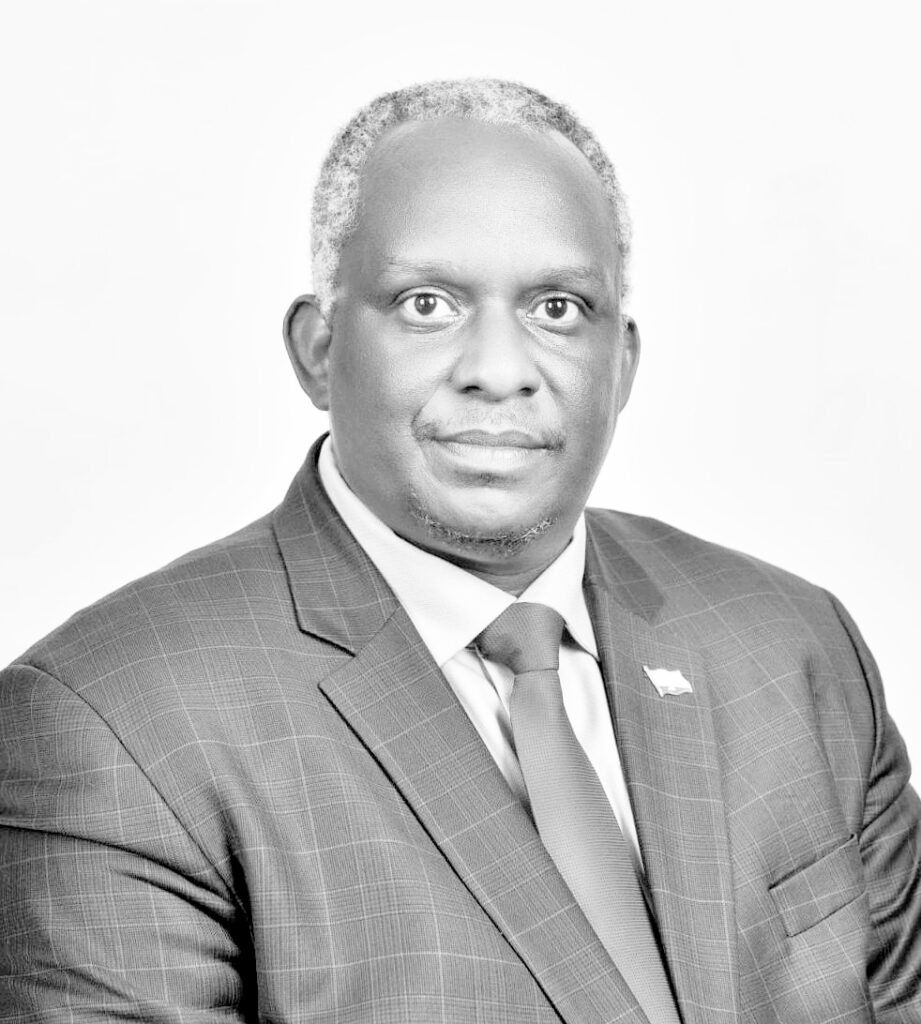
Intellectual Property in Burundi: Laws Exist, But Profits Remain a Dream — Apostle Bernard Ntungwanayo Launches “AFRI-BOOKS,” .
September 29, 2025
As Burundi and other African nations strive for economic development, the issue of intellectual property protection remains a critical hurdle. Nearly twenty years after Burundi passed its copyright law in 2005, and more than a decade after the establishment of the office in charge of its implementation, OBDA (Burundian Office of Copyright), artists, authors, and other creators are still waiting, hoping for revenues from their works that never materialize.
Laws on Paper, Hardship in Pockets
Officially, progress is visible. OBDA is operational and regularly communicates its efforts. In 2023, it announced that 326 artists had registered 1,858 works. The office continues to call on creators to protect their intellectual property.
However, the voice of the artists is filled with frustration. Artist and researcher Francis Muhire bluntly summarizes the general feeling: “To this day, I see no artist benefiting from their intellectual creations. The law exists, OBDA exists, but nothing works.” This is the song sung by many: excellent laws on paper, but empty pockets for creators.
OBDA’s New Initiative: Faint Hope or the Start of a Change?
In an attempt to address this issue, OBDA launched a new initiative in September 2025 to collect royalties from hotels, bars, and other public venues that use music or other creative works. The Director-General of OBDA, Claudette Mukankuranga, stated that these funds would be distributed to all registered artists.
Yet, even this step is met with skepticism. “The problem is that there are no penalties for those who don’t comply. No one will pay without strict enforcement,” warns Muhire. Legal expert David Nduwimana adds, “For laws to be effective, strong government involvement is necessary.” This shows that even with the best intentions, the road ahead is long.
An African-Scale Solution: AFRI-BOOKS and the AIN
While state institutions struggle to implement laws, private actors are taking the lead in proposing pan-African solutions. It is in this context that Apostle Bernard Ntungwanayo recently launched AFRI-BOOKS. This center does not aim to replace government agencies but to complement them by providing modern tools to protect and add value to African wealth.
AFRI-BOOKS issues an African Identification Number (AIN). This number is not just an identifier; it is a system for authentication and traceability for various creations and resources:
- Books and writings 📝: To empower authors and protect them from plagiarism.
- Songs and music 🎶: To help musicians track the use of their works.
- Films 🎬: To protect filmmakers and provide them with distribution channels.
- Minerals extracted in Africa ⛏️: To trace natural resources from the mine to the market, ensuring that nations and peoples receive their fair share.
This initiative could bring new hope in the fight against the losses currently suffered by creators and African economies.
Conclusion and Call to Action from Apostle Bernard Ntungwanayo: “It Is Up to Us to Change Things”
The copyright issue in Burundi is a small example of a larger challenge facing all of Africa: the struggle to value and protect its own resources. Good laws are written but are not enforced. Wealth is extracted, but the profits go elsewhere.
It is in this context that Apostle Bernard Ntungwanayo concludes with a powerful call to all Africans for a change in mindset and action. He states:
“It is difficult to change the face of the world overnight. But we must not wait for solutions to come from elsewhere. It is up to us, Africans, to change things. We must build our own institutions, strong and modern, like AFRI-BOOKS. We must value what is ours, from the idea of a single mind to the minerals in our soil. The time has come to take our destiny into our own hands, because no one else will do it for us.”