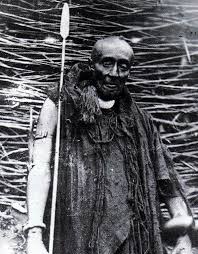
Democracy, Monarchy, and African Bravery: A Lesson from Burundi and Rwanda
Democracy, as we know it today, is a system of governance where citizens elect their representatives. However, the history of many African countries, especially Burundi and Rwanda, shows that there was a pre-colonial form of governance, monarchy, which had its own peculiarities. This article examines the history of monarchy in these two countries, compares it with the concept of democracy, and also looks at the biblical perspective on kingship and leadership. Finally, it will conclude with a message from URN HITAMWONEZA calling on Africans to restore the people-elected monarchy for peace and development.
History of Monarchy in Burundi
Burundi remained a monarchy until 1966, when the military took power and established a republic. The history of monarchy in Burundi is characterized by unique rituals and traditions. The death of the king was a moment of deep sorrow and special ceremonies. The term ‘gutanga’ (to give) was used to refer to the death of the king, while ‘gupfa’ (to die) was used for ordinary people. This shows the value and respect the king had in Burundian society. There were also other specific terms used depending on the cause of the king’s death: ‘gutabaruka’ (to die in battle), ‘kwiha ubuki’ (to commit suicide due to national calamities), or ‘gucanira abana b’ingoma’ (to be killed for violating important taboos). The last two kings of Burundi, Mwambutsa IV Bangiricenge and his son Ntare V Charles Ndizeye, did not have burial ceremonies like other kings [1].
When the king died, the ‘umubitsi’ (keeper of secrets), the person responsible for announcing the king’s death, would inform the ‘Abiru’, important figures in the monarchy. The Abiru would take the king’s body, called ‘Ingogo’, and keep it in the Muruta/Kabarore forest, where the Abiru resided. This was done in strict secrecy, and no one was allowed to accompany the king’s Ingogo. This shows how sacred and special the king’s death was. The Karyenda drum, a symbol of royalty, was replaced by the Hangarizo drum, a symbol of mourning and disruption in the country. When the king died, people would say that ‘the sky had fallen’, indicating that the king’s death was considered a great calamity for the entire country [1].
Rituals and Traditions of Monarchy in Burundi
The monarchy in Burundi was characterized by profound rituals and traditions that governed the life of the king and the country. The death of the king was a moment of great sadness and specific ceremonies. The word ‘gutanga’ was used to indicate the death of the king, while ‘gupfa’ was used for ordinary people. This demonstrates the value and respect the king held in Burundian society. There were also other specific terms used depending on the cause of the king’s death: if he had fallen in battle, it was said that he had ‘yatabarutse’. If he had committed suicide due to national calamities, it was said that he had ‘kwiha ubuki’. And if he had violated important taboos and had been killed, it was said that he had ‘gucanira abana b’ingoma’. All these rituals illustrate how the monarchy was founded on solid traditions and principles [1].
When the king died, the ‘umubitsi’, the person responsible for announcing the news of the king’s death, would inform the ‘Abiru’. The Abiru were important figures in the monarchy, playing a major role in royal ceremonies, including the burial of kings. The king’s body, called ‘Ingogo’, was transported to the Muruta/Kabarore forest, the residence of the Abiru. This was done in strict secrecy, and no one was allowed to accompany the king’s Ingogo. This highlights the sacred and particular nature of the king’s death. The Karyenda drum, a symbol of royalty, was replaced by the Hangarizo drum, symbolizing mourning and disruption in the country. When the king died, people would say that ‘the sky had fallen’, indicating that the king’s death was perceived as a great calamity for the entire nation [1].
The Role of the King in the Lives of Citizens
The king in Burundi held supreme power over his country. He was the supreme leader, the chief judge, and the commander of the armed forces. The lives of all citizens were in his hands. This demonstrates how the monarchy was based on the leadership of a single person, but this leader had the important responsibility of protecting and promoting his subjects. Everything belonged to the king: cattle, land, women, and children. This illustrates how the monarchy was founded on wealth and population, and the king had absolute right over everything. The decrees he issued were unshakeable laws, respected from generation to generation, from parents to children and grandchildren. This shows how the monarchy was based on solid laws and principles, and citizens had to obey the king’s decrees [2].
The monarchy played a major role in the lives of citizens, as it was founded on strong traditions and principles. The king was a mediator between God and the people, and he had the responsibility to protect his subjects from misfortunes and calamities. This demonstrates how the monarchy was based on faith and culture, and the king played an important role in the lives of citizens. The monarchy was also based on justice, and the king had the responsibility to render fair judgments and protect his subjects from injustice. This illustrates how the monarchy was based on the principles of justice and equity, and the king played an important role in the lives of citizens [2].
History of Monarchy in Rwanda
Rwanda also has a long history of monarchy. Historians such as Alexis Kagame and others state that 28 kings ruled Rwanda from approximately 1091 to 1960. All these kings came from the same Abanyiginya lineage. Some of them were prominent figures due to their wisdom, others for their exceptional achievements in expanding the country and protecting its integrity [2].
The history of Rwanda was transmitted orally, through poems, eulogies, songs, and narratives. Since there was no written form at that time, history became widely known mainly through those who distinguished themselves by their achievements. This explains why there are discrepancies in history books. The list of kings was compiled based on the major achievements of each reign, comparing their reign period with that of kings from neighboring countries of Rwanda, major invasions, famines, and significant changes in governance [2].
The king held supreme power over his country. He could kill or save, give or take. In short, the lives of all citizens were in his hands. Everything belonged to the king: cattle, land, women, and children. The decree he issued was an unshakeable law, respected from generation to generation [2].
The Nature of Monarchy in Rwanda and the Succession System
The monarchy in Rwanda had a unique structure, where kings came from the same Abanyiginya lineage. This demonstrates how the monarchy was based on clan and families, and the king had the responsibility to protect and promote his family. The kings of Rwanda succeeded each other as follows, from approximately 1091 to 1960: Gihanga I Ngomijana, Kanyarwanda Gahima, Yuhi I Musindi, Ndahiro I Ruyange, Ndoba, Samembe, Nsoro I Samukondo, Ruganzu I Bwimba, Cyilima I Rugwe, Kigeli I Mukobanya, Mibambwe I Sekarongoro I Mutabazi I, Yuhi II Gahima II, Ndahiro II Cyamatare, Ruganzu II Ndoli, Mutara I Nsoro II Semugeshi, Kigeli II Nyamuheshera, Mibambwe II Sekarongoro II Gisanura, Yuhi III Mazimpaka, Cyilima II Rujugira, Kigeli III Ndabarasa, Mibambwe III Mutabazi II Sentabyo, Yuhi IV Gahindiro, Mutara II Rwogera, Kigeli IV Rwabugili, Mibambwe IV Rutarindwa, Yuhi V Musinga, Mutara III Rudahigwa, and Kigeli V Ndahindurwa [2].
This demonstrates how the monarchy had a long history and important succession rituals. Some kings were prominent figures due to their wisdom, others for their exceptional achievements in expanding the country and protecting its integrity. This illustrates how the monarchy was based on courage and good leadership, and the king had the responsibility to protect and promote his country. The history of Rwanda was transmitted orally, through poems, eulogies, songs, and narratives. This shows how the monarchy was based on culture and literature, and the king played an important role in the lives of citizens [2].
The Role of the King in the Lives of Citizens in Rwanda
The king in Rwanda held supreme power over his country, just like the king in Burundi. He was the supreme leader, the chief judge, and the commander of the armed forces. The lives of all citizens were in his hands. Everything belonged to the king: cattle, land, women, and children. This demonstrates how the monarchy was based on wealth and population, and the king had absolute right over everything. The decrees he issued were unshakeable laws, respected from generation to generation, from parents to children and grandchildren. This shows how the monarchy was based on solid laws and principles, and citizens had to obey the king’s decrees [2].
The monarchy played a major role in the lives of citizens, as it was founded on strong traditions and principles. The king was a mediator between God and the people, and he had the responsibility to protect his subjects from misfortunes and calamities. This demonstrates how the monarchy was based on faith and culture, and the king played an important role in the lives of citizens. The monarchy was also based on justice, and the king had the responsibility to render fair judgments and protect his subjects from injustice. This illustrates how the monarchy was based on the principles of justice and equity, and the king played an important role in the lives of citizens [2].
Democracy and Monarchy in the Bible
1.God’s Plan for Leadership: The Bible clearly shows that God had His own plan for leading the Israelites through judges and prophets. This was a direct form of governance where God Himself was their King. However, as time passed, the Israelites desired to have a king like all the other nations around them. This desire saddened Yahweh, as it was a sign of rejecting Him as their King. Despite this, Yahweh told the prophet Samuel to grant their request, warning them of the consequences of human kingship [3].
2.The First Kings and Their Consequences: Yahweh chose Saul as the first king of Israel. Saul was a humble man at first, but as time went on, he became arrogant and disobedient to God. This led Yahweh to reject him as king and choose David, a young man who had a heart for God. David, although he was king, remained faithful to God, and God made a covenant with him for an eternal kingship. This shows that God wanted kings to rule according to His principles, and that human leadership must be based on God’s leadership [3].
3.The Division of the Kingdom: After the death of Solomon, David’s son, the kingdom of Israel was divided into two. This was a consequence of Solomon’s disobedience, as he had married many foreign women who worshipped idols, and he began to worship them too. Jeroboam became king of the ten northern tribes (the kingdom of Israel), while Rehoboam continued to rule the two southern tribes (the kingdom of Judah). This led the people to begin worshipping idols and forgetting Yahweh, as Jeroboam had set up golden calves to prevent his people from going to Jerusalem to worship [4].
4.Democracy as Rebellion: This shows that human leadership, when it does not obey God’s principles, can have negative consequences. Democracy, in the sense of choosing leaders, can be a rebellion if it does not obey God’s principles. When people choose their own leadership instead of accepting God’s leadership, it can lead to negative consequences, including wars, calamities, and ignorance. The Bible says that the kingdom of God will not come visibly, but that it is within us [5]. This means that good leadership must be based on God’s principles, and that leaders must rule according to His will. This would bring lasting peace and development, as leadership would be based on justice and equity, and it would defend the interests of the people rather than those of an individual.
Democracy and Atrocities in the Great Lakes Region
The recent history of the Great Lakes region, particularly in Burundi and Rwanda, reveals a complex relationship between democracy and atrocities. Although democracy is expected to bring peace and equality, in some African countries, it has been linked to massive atrocities. This has been particularly true during periods of political transition, where political forces have exploited ethnic divisions for their own gain, leading to conflicts and mass killings.
Atrocities in Burundi
Burundi has experienced various periods of atrocities, notably in 1972, 1988, and 1993. The 1972 atrocities, known as Ikiza, claimed many Hutu lives, while the 1988 atrocities in Ntega and Marangara affected both Hutu and Tutsi. The 1993 atrocities occurred after the first multi-party democratic elections, when President Melchior Ndadaye, the first democratically elected Hutu president of the country, was assassinated. His death was followed by atrocities targeting Tutsi and Hutu who opposed the perpetrators. This demonstrates how democracy, instead of bringing peace, was used for political gain based on ethnic divisions, leading to conflicts and atrocities [7], [8], [9].
Atrocities in Rwanda
Rwanda has also experienced various periods of atrocities, notably in 1959, 1973, and 1994. The 1959 atrocities, known as the 1959 Revolution, claimed many Tutsi lives and forced many to flee the country. The 1973 atrocities occurred after a military coup led by Juvénal Habyarimana, where many Tutsi were killed. The 1994 Genocide against the Tutsi claimed over a million Tutsi lives in a short period, as well as Hutu who opposed the perpetrators. This demonstrates how democracy, instead of bringing peace, was used for political gain based on ethnic divisions, leading to conflicts and atrocities [10], [11], [12].
The Role of Democracy in Atrocities
In both countries, democracy has been linked to atrocities for various reasons. Firstly, democratic governance has been used to fuel ethnic divisions. Politicians have exploited ethnic groups for their own interests, leading to hatred and division among the population. Secondly, democratic elections have been marred by fraud and violence, leading to a lack of trust in governance among the population. Thirdly, security forces have been used for political purposes, instead of protecting citizens, they have targeted them. All of this has led to democracy, instead of bringing peace and equality, bringing conflict and atrocities [7], [8], [9], [10], [11], [12].
Conclusion: Restoring the People-Elected Monarchy
URN HITAMWONEZA urges Burundians and Africans in general to restore the people-elected monarchy. This means a monarchy that combines traditions and principles of good governance, where the king is chosen by the people and serves them. This would bring lasting peace and development, as a monarchy chosen by the people would have its foundations in their culture and history, and it would defend the interests of the people rather than those of an individual.